• Thank you for visiting Skidsteers.net. Thanks to your continued support and popular demand, we've added a forum to our site. We hope it becomes a valuable place for you to connect, ask questions, and share your experience. You may also find the links below helpful.

    After registering, please remember to check your spam/junk folder for the confirmation email if you don't see it in your inbox.

Confused About Mini Skid Steer Attachments and Mount Types What Actually Fits What

K1NGK0NG

New member
I’m new to the mini loader world and I’m getting completely turned around trying to understand mini skid steer attachments and all the different attachment systems. I keep seeing listings that say things like “mini universal”, “Dingo style”, “Bobcat MT mount”, “S70 plate”, “Bob-Tach”, and sometimes sellers just say “quick attach” like that means one standard.
My situation is basically tight access work. I want narrow buckets, grapples, forks, and maybe a small trencher or auger down the road. I’m not trying to run big high-flow attachments. I just want to buy the right stuff once and not end up in adapter plate hell.

Here’s what’s confusing me:
Some people say mini attachments are basically universal if you have the right plate. Other people say there are at least two main mini systems and they do not interchange without adapters.
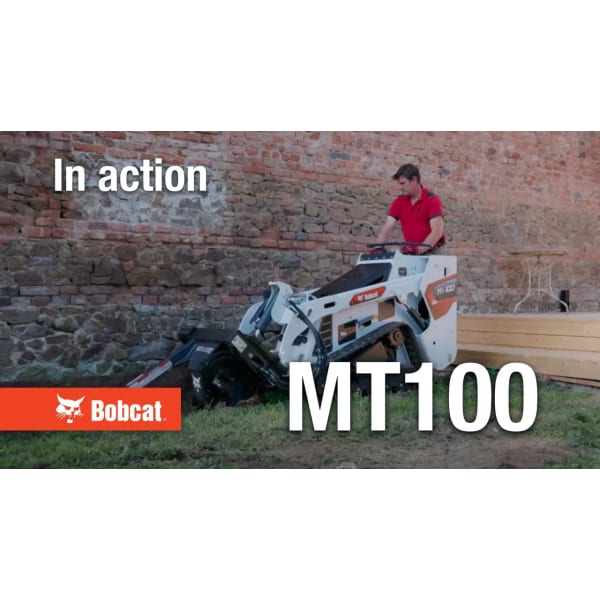
I also see videos like this one explaining that there is a “universal mini plate” and a “Bobcat MT plate” and they are not the same thing:

Then I read articles like this that show multiple mini attach plates and basically warn you not to assume you have the same mount as your buddy:

So I’m hoping you guys can help me build a simple real-world understanding:
1. What are the most common mini mount types people run today?
2. How do you identify what you have before you buy attachments?
3. When are adapters actually fine and when do they become sloppy and annoying?

If you have any clear photos or videos showing the back of your attachment plate or coupler, please link them in the replies. I’m trying to make sense of this without wasting money:rolleyes:
 
This is a super common problem and you’re not alone. The reason it feels confusing is because “mini skid steer attachments” isn’t one single standard, and sellers often use the word “universal” in a lazy way.

Here’s the practical way to think about it.

There are two big categories you should separate in your head before anything else:

First category is the full-size skid steer world. That’s the common SSQA style plate you see everywhere on normal skid steers. Many people call it “universal skid steer quick attach.” That’s the wide plate and it’s the reason lots of full-size attachments swap between brands.

Second category is the mini world, and this is where people get burned. In the mini world, two major “families” show up constantly:

Family A is the “Toro Dingo style” mini plate. A lot of mini manufacturers and attachment companies build around this because it’s common in the landscaping market. Many aftermarket suppliers call it “mini universal.” You’ll see it on a ton of mini attachment plates sold online and it’s often described as compatible with Toro Dingo, Ditch Witch, Vermeer, Boxer, and similar minis. For example, mount plate listings and adapter sellers explicitly call out that compatibility set.

Family B is the “Bobcat MT” plate. Bobcat’s mini track loader line uses a different plate than the Toro-style mini universal. That is why you’ll see people buying or building adapters to go from Bobcat MT mount to Toro/Dingo mini universal mount or the other way around. There are even dedicated adapter products sold specifically for that conversion, which is a good clue that the mounts are different in real life.


So step one for you is: identify which mini family you are in before buying anything.

How to identify what you have without guessing:

Take a clean photo of the coupler face straight on, and another photo of the back of a known attachment. Compare it to a reference guide like the SkidPro breakdown of mini attach plates and you’ll usually recognize it immediately. https://skidpro.com/different-mini-attach-plates/

Now about adapters:

Adapters are not automatically evil, but they are not free. They add weight, they push your attachment further forward (which reduces lift capacity), and cheap ones can add slop.

If you are doing tight work near structures, the “slop” problem is real. Even if the plate locks, that extra stack of steel can amplify wiggle and make precise work annoying.

The only time I recommend an adapter without hesitation is when you already own a pile of attachments in one standard and you’re switching machines. For example, landscaping companies often use a mini-to-full-size adapter so a Toro/Dingo style machine can run certain full-size skid steer attachments when weight allows. That’s an actual product category for a reason. https://palletforks.com/products/from-toro-to-full-size-skid-steer-quick-tach-adapter

If you are starting from zero, it’s usually smarter to standardize your future purchases around your actual mount family instead of living on adapters forever.
 
I went through this exact confusion when I bought my first mini. I kept seeing “mini skid steer attachments” for sale and assumed it was all one standard. It is not. What helped me was thinking like a used-car buyer. Before you buy an attachment, you need to answer two questions:

What mount is it really built for?
What hydraulic requirements does it have?

Mount first. I started with a Toro-style mini universal machine, so buying Toro/Dingo style attachments was easy. Where I got burned was when I tried to buy a used attachment that “looked like it would fit” and the seller didn’t know what mount it was.

Now I make sellers send me a photo of the back of the attachment and a close-up of the latch area. If they can’t do that, I don’t drive out.

If you’re a Bobcat MT owner, the Bobcat MT plate can be the start of your own ecosystem. Bobcat even has official MT100 content and catalogs that show attachments and how-to usage, which helps you stay inside one system.

Also Bobcat publishes attachment catalog PDFs by region which can help you see what’s intended for what machine family.

Then hydraulics. A lot of newbies focus only on the mount, but on small machines the hydraulic flow can be the real limiter. You might find a mini trencher or brush cutter attachment that physically fits, but the machine won’t run it well if the flow is too low. So before you get excited, make sure you know the machine’s auxiliary flow and compare to the attachment requirements.
Now about adapters again, from someone who actually ran them:

Adapters can be totally fine if you use them for occasional jobs, like running forks or a light bucket. But if you do daily precision work near structures, adapters can make everything feel mushy because you have an extra interface.

Also, the adapter reduces lift. That matters a lot on mini machines because you don’t have lift to spare. If you’re dead set on mixing ecosystems, at least buy a good quality adapter from a reputable supplier. There are businesses that specialize in adapter plates for mini skid steers for a reason.

My advice if you’re just starting:

Pick your mount family, buy attachments in that mount, and build your collection around it. Do not buy “random cheap” attachments just because the seller says universal. Universal means different things to different people.
 
Let me make this easier with a practical checklist. If you want to stop guessing about mini skid steer attachments, do this in order:

Step 1: Identify your mount type with one clear photo
Take a straight-on photo of the coupler on your machine. Then pull up a comparison guide like this one showing common mini attach plates. https://skidpro.com/different-mini-attach-plates/
Most people can identify “Bobcat MT plate” vs “Toro/Dingo mini universal” in 30 seconds once they see side-by-side examples.

Step 2: Confirm what the attachment is built for
Before buying, make the seller send a photo of the back of the attachment plate. If they can’t, skip it. This avoids 90 percent of “it should fit” failures.

Step 3: Watch one adapter video so you understand what adapters really do
Here is a simple video showing an adapter concept between Bobcat MT and the mini universal style.

Even if you don’t buy that exact product, it teaches you the idea: adapters add length, weight, and another place for movement.

Step 4: Decide if you want one ecosystem or mixed
If you are building a collection from scratch, one ecosystem is almost always better. Mixed only makes sense if you already own attachments in the “other” mount.

Step 5: Know your limits for power attachments
A trencher, brush cutter, or heavy-duty auger might fit, but will your machine run it properly. Low flow machines can still do a lot, but you need to match expectations.

Also, one more thing most people forget: mini mount does not automatically mean “light weight.” Some mini attachments are still heavy for a mini loader, and weight is what makes these machines feel unstable or useless. So always think “weight and balance” after “mount fit.” If you’re still unsure, post a photo of your coupler and a photo of the attachment plate you’re looking at. People can usually ID it instantly.
 
I didn’t realize the Bobcat MT plate and the Toro/Dingo mini universal plate were basically two different mini worlds. That explains why some listings look like they should fit but don’t. Thanks
 
Back
Top